Why Play & Rest Come First: The Prerequisite to Fundraising Flow
Most major gift fundraisers are conditioned to treat rest as a reward — a luxury you take after the event, after the call, after the quarter closes. But neuroscience tells us something different: rest is a prerequisite for peak performance.
In major gifts, our job isn’t to churn through tasks; it’s to show up with presence, energy, and imagination for the few conversations that truly move the needle. If you put in 90 minutes of flowy, focused work — crafting a proposal, mapping a strategy, or sitting in a donor meeting — the brain needs an equal measure of active recovery to consolidate, reset, and prepare for what’s next.
Active recovery doesn’t have to be elaborate. It can look like:
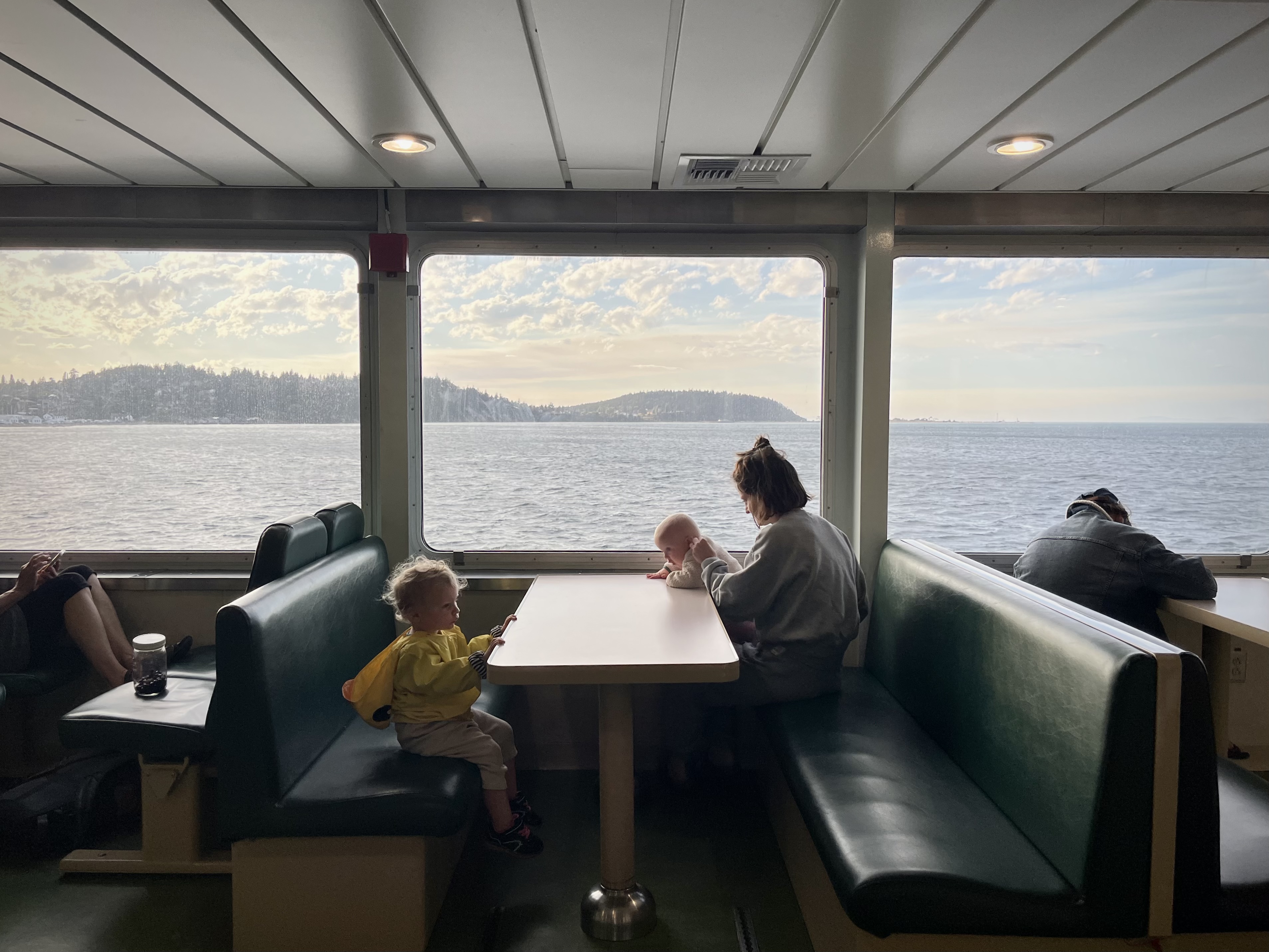
- Playing on the floor with your kids after a donor lunch
- Walking outside and cloud-watching before you prep a proposal
- Letting yourself stare into space between calls instead of checking email
- Doing cryotherapy, red light therapy, or laying on a bio mat
Pairing 90 minutes of major gifts work with 90 minutes of active recovery compounds into elite performance. It’s the same rhythm Olympic athletes use — set the body (rest), push, then recover. And in fundraising, recovery ensures you show up to the next donor as fully as you did the first.
This is also about living by design, not by default. Michael Hyatt’s Ideal Week is a great tool (click here). . When you reimagine your days with recovery built in, you create the margin for presence, creativity, and deep donor trust.
In major gifts, donors don’t need a harried multitasker. They need someone who can bring focus, depth, and vision into the room. Active recovery makes that possible.
Leave a Reply